
Religious Plaintiffs Win Big in Two Recent US Lawsuits
February 4th, 2026
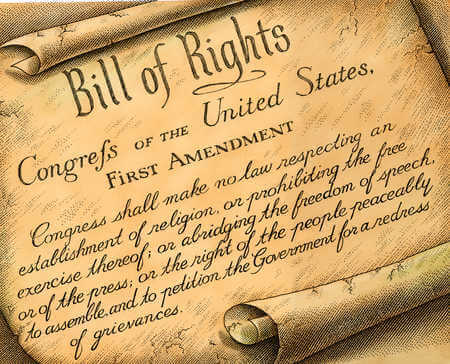
Two religious discrimination lawsuits recently captured the attention of the nation, and both have resulted in victories for the religious plaintiffs. The first case involved a hotel worker who was forced to work on the Sabbath despite her religious objections. The other case involves a jewelry company that won back the right to create dog tags inscribed with Bible verses. Both cases highlight a shift toward religious freedoms in the eyes of American courts.
Hotel Franchise Forced to Pay $175,000 Settlement After EEOC Lawsuit
In December of 2025, the Equal Employment Opportunity Commission (EEOC) announced that it had forced a major hotel chain to pay $175,000 to settle a religious discrimination lawsuit. The case stems from the resignation of a hotel worker in 2023. According to the worker, she felt she had no other choice but to quit after her religious rights were continuously violated by her employer.
Specifically, her employer forced her to work on Saturdays, even though she had previously requested an accommodation. According to her religious views, she is not allowed to work on Sundays due to the Sabbath. The EEOC states that while this woman initially received an accommodation, her employer changed its stance after a new manager arrived.
After this change in management, the worker was scheduled to work on Saturdays with no explanation. Facing a decision between her faith and her continued employment, the woman chose to honor her religion and resigned in 2023.
As this represents a textbook example of religious discrimination under current US law, the only real outcome after the woman decided to sue was victory for the plaintiff. The EEOC notes that the employee will receive $175,000 as a settlement, and the employer must also update its policies and procedures to ensure this sort of thing never happens again.
Jeweler Wins Back the Right to Inscribe Bible Verses on Dog Tags
Also in December, Premier Christian News reported that a jeweler in the United States had won back the right to inscribe Bible verses on military-themed dog tags. Previously, the company had been banned from creating these products in 2019 due to a complaint filed by the Military Religious Freedom Foundation.
First Liberty Institute helped the company reach a settlement with the Pentagon that restored the right to use trademarked military service logos alongside Christian symbols and Bible verses.
On one hand, it is clear that many military service members were purchasing and using these products. It is also clear that these Christian-themed dog tags probably had strong sentimental and religious value to those who risk their lives while on active duty.
On the other hand, the jewelry pieces highlight potential constitutional issues. The separation of church and state is supposed to be guaranteed by the Constitution. With the government approving the use of its licensed symbols alongside Christian symbols and verses, one has to wonder whether this represents a constitutional violation. In any case, the recent decision by the Pentagon highlights the shift in favor of religious plaintiffs in modern America.
Continue Reading the Universal Life Church’s Blog
Each month, various cases test the nature of religious rights in this country. While the basis for many religious rights is the United States Constitution, there are still countless cases that question the exact nature of these rights. The Universal Life Church’s blog is focused on documenting the most noteworthy of these cases in an objective manner that can be easily understood by readers.