Supreme Court Set to Hear Rastafarian Inmate Religious Discrimination Lawsuit
December 3rd, 2025
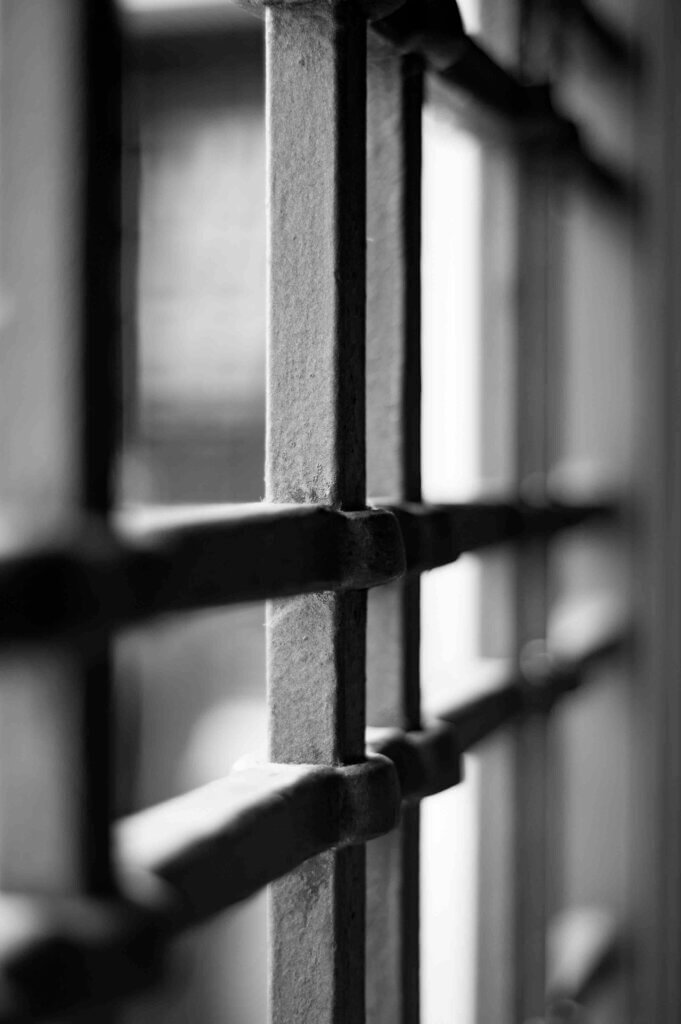
On November 7, 2025, the SCOTUS blog reported that the Supreme Court was preparing to hear oral arguments in an interesting religious discrimination case. The case involves a Rastafarian inmate who claims that a prison warden violated his religious rights while he was incarcerated. The case has generated interest from various groups, including the current administration and religious organizations. What are its implications?
The Background of the Rastafarian Inmate Case
The case revolves around a Rastafarian inmate who was eventually forced to cut his hair. For those with no knowledge of Rastafarianism, a haircut might seem like a relatively minor issue. However, those who understand this religion know that its male practitioners are prohibited from cutting their hair. Dreadlocks are a hallmark of this faith, and courts in the United States recognize this fact. The practice of growing dreadlocks is formalized by something called the “Nazarite Vow,” and this is something that all Rastafarians must observe.
The plaintiff in this case was in the process of serving a five-month sentence in a Louisiana prison when he was transferred to a new correctional center. Although previous prison wardens had allowed him to keep his dreadlocks, his new prison warden put him in shackles and ordered his guards to forcibly shave the man’s hair. He had only three weeks left to serve on his sentence.
After his release, the plaintiff explored his legal options. His legal team seemed convinced that he could not only file a claim against the prison system and the warden, but also recover compensation. Many courts disagreed, and the man’s legal team attempted various appellate strategies. Finally, the Supreme Court agreed to hear the case.
Why Is This Case Important?
This case is important because it could lead to the award of monetary damages. In cases like these, plaintiffs are not normally able to recover monetary damages. While courts have agreed that the forcible removal of dreadlocks is a form of religious discrimination, plaintiffs have not recovered monetary compensation in these situations before.
The plaintiff argues that monetary compensation is important because it would deter prison wardens from similar misconduct in the future. Furthermore, the plaintiff argues that the Religious Land Use and Institutionalized Persons Act paves the way for “appropriate relief,” an open-ended term that may include monetary compensation.
The case is also significant because of how much support it has received from a wide range of religious and non-religious organizations. Sources note that some of these are Christian groups, while others are groups that would normally advocate for the separation of church and state. A key question here is whether all religions enjoy the same protections under U.S. law, or whether the courts only react when Christians are under threat.
Various groups support the Rastafarians’ efforts because they understand how important religious freedoms are in the United States. These groups also recognize the need to treat all religions equally. If this man achieves a positive outcome in the Supreme Court, it could have major implications for the religious freedoms of all inmates, regardless of their unique beliefs.
Continue Reading the Universal Life Church’s Blog
Each month, various cases test the nature of religious rights in this country. While the basis for many religious rights is the United States Constitution, there are still countless cases that question the exact nature of these rights. The Universal Life Church’s blog is focused on documenting the most noteworthy of these cases in an objective manner that can be easily understood by readers.